

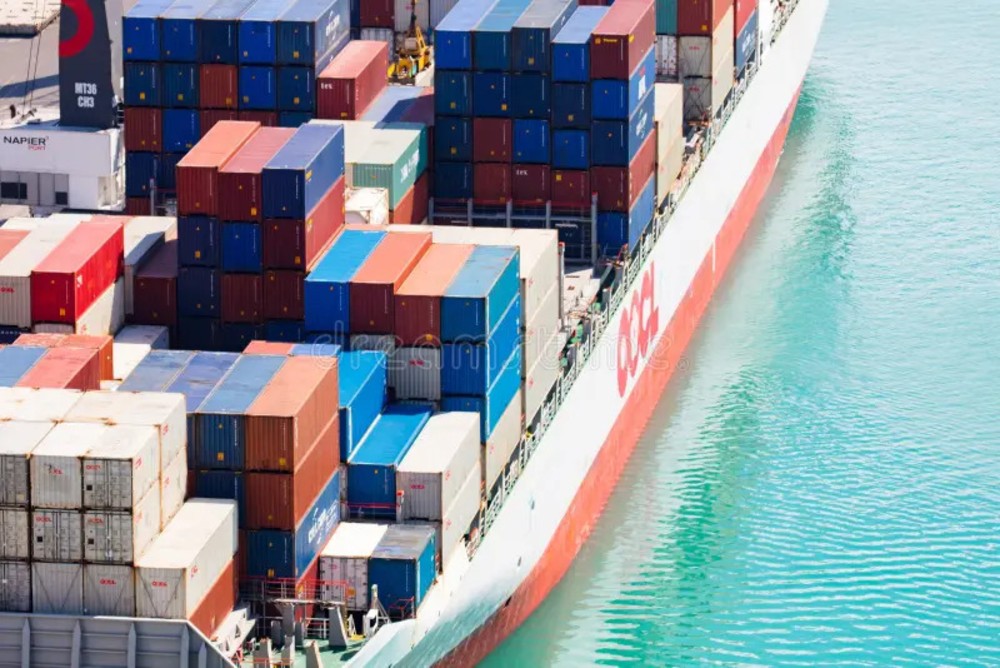
New Zealand is a small country in terms of population, but when it comes to global trading, New Zealand plays a leading role. It operates one of the most open and export-dependent economies in the whole world. The population of New Zealand exceeds five million, and the domestic consumption is limited, but the country relies heavily on the international markets to advance the growth of industries such as agriculture and food processing.
Exports are the backbone of New Zealand's Economy, accounting for over 25% of the country's GDP. Most of the production of the country and its manufactures are all traded and exported to foreign countries. Although they have a relatively smaller domestic market network, the connections to international trade allow the manufacturers and producers to expand, innovate, and remain in the competitive market.
New Zealand has a stronger focus on the primary industries, including agriculture, dairy, meat, and forestry. They have a higher standard for food safety and quality control than others. This enables them to have long-standing trade relationships with the major countries, such as China, Australia, the United States, Japan, and Europe. Another aspect is that they pay more attention to the sustainability and traceability of their exports rather than being casual about them. This reflects heavily on their country's economy.
This blog highlights the major New Zealand exports that contribute to the global economy by value and volume.
When we look into the exports of New Zealand by value, we find that although not many sectors are included and dominate the trade system, the revenues brought by them heavily influence the global economy and the country's GDP.
Table 1: Main Exports of New Zealand By Value:
|
Export Category |
Estimated Value |
Share of Total Export |
|
Dairy Products |
$20 |
~24% |
|
Meat & Edible products |
$9.8 |
~14% |
|
Woods |
$6.7 |
~10% |
|
Fruits |
$5.4 |
~8% |
|
Machinery |
$3.0 |
~4% |
|
Seafood |
$2.1 |
~3% |
The New Zealand Trade market is quite structured and represents an export-production model. Looking over the table report, Dairy Products alone accounts for more than a quarter of New Zealand's export earnings. The value of the trade sector of this country is especially visible in dairy products, meat, and forestry products. It makes the trade trends especially more important to monitor.
Dairy is New Zealand's largest export sector by value. The products included in this field are milk, milk powder, butter, cheese, whey, and other dairy ingredients. They are all globally known and used widely across borders. New Zealand exports dairy products to more than 140 countries, with China being one of the major markets.
Milk Powders, in particular, bring in high demand and have a longer shelf life than others. It is widely used in food manufacturing, which responds directly to the global industries. The dairy exports contribute significantly to the foreign exchange as well. It helps in supporting countless farmers and manufacturers across the country, enhancing the overall economic situation.
Meat is another one of the top export categories of New Zealand, coming second only to Dairy products. The meat products include beef, lamb, mutton, and venison. Particularly lamb, New Zealand excels the most. It comes from one of the world's leading exporters of lamb.
ThLambre is able to supply premium cuts to the global markets, including the major export countries like China, the UK, and the Middle East. They are exceptional in preparing their livestock with fresh and healthy meat, all nutritional and exceptional in quality and taste. They emphasize heavily on the trade of the grass-fed livestock rather than the injected ones. This honest and traceable supply chain adds to their global appeal.
According to reports, Forestry products represent one of New Zealand's largest export sectors by both value and volume. These include the most used types of forestry products, such as Raw logs, Sawn timber, Wood pulp, Paper, and wood panels. Specifically, logs have been quite popular among these, making up to a significant portion of forestry exports.
In the Asian Markets, including China, Forestry products exported from New Zealand are used heavily for construction and infrastructure. The raw log export is very influential towards the market, as it dominates by volume. Meanwhile, the wood products, such as wood panels, add a lot of value, serving as a future growth opportunity for the country.
Fruits are one of the high-quality agricultural products of New Zealand that are globally recognized for their quality and safety. The major fruits esports include Kiwi fruit, which is a traditional fruit of New Zealand, apples, avocados, and cherries. The kiwi is one of the popular fruits of New Zealand. It is recognized quite significantly in the export market.
The fruits exported from New Zealand are marketed as premium products all over the world. They have a seasonal production cycle, mainly due to the special climate of the country, which enables them to have a good harvest throughout the year. New Zealand keeps strict quality control over the harvested fruits as well. This allows the exporters to access the high-value markets across major regions such as Asia, Europe, and North America.
Seafood products also account for a greater export value of New Zealand than other common products. Although they are smaller in scale compared to dairy and meat products in terms of edibles, the export of seafood still remains an important part of the country's export portfolio. The common seafood products exported include Fish fillets, mainly fresh and frozen, Mussels, Oysters, And Rock Lobster.
The seafood industry is very careful about the quality and standards. As they are exporting something that is to be consumed, they operate under a strict environment and have a particular quota management system. The export of seafood enables New Zealand to support the long-term sustainability of the country and provide a consistent export supply.
New Zealand's exports have continued to contribute heavily to the trading system, representing a good national economic health. They depend a lot on their relations with the international trading markets and have transformed their trade system into a more efficient and transparent global integration. When the export is measured by volume, the bulk products become more prominent.
Table 2: Main Exports of New Zealand By Volume:
|
Export Category |
Estimated Volume |
Primary Destinations |
|
Raw Logs |
18 - 22 Million |
China, Australia, South Korea, Japan |
|
Dairy Ingredients |
2.5 - 3 Million |
China, Southeast Asia, the Middle East |
|
Frozen Meat |
800k - 1 Million |
China, Australia, USA, Europe, Japan |
Looking at the table report, we can see that logs alone account for over a quarter of New Zealand's exports. Many major countries invest heavily in the markets of dairy products, meat, and forestry products. The contrast between the value and volume of the exports in New Zealand explains why some of the lower-value goods can still contribute and play a critical role in the trading system to balance it out.
By volume calculation, logs come in first place as New Zealand's top export. There are large shipments being sent to overseas markets every day for further processing, mainly for construction uses. Although they may have a lower value than dairy products and meat, they still contribute heavily with their highest shipment size to the export totals.
The dairy ingredients still include the Milk powders, which come in second as one of New Zealand's biggest exports. They are traded in large quantities as well and contribute to the volume of exports of the country. The dairy products, like milk powders, have longer shelf lives and are easier to transport than logs, which makes them an ideal bulk exporting product. They are used across multiple industries.
Frozen meat is also counted among the high exports in New Zealand by volume. They are shipped across the world on a larger scale rather than fresh meat, which allows the country to build more connections and serve distant markets more efficiently. Since this is a product to be consumed, New Zealand takes a lot of care to ensure food safety and quality standards, making sure it is shipped under the required conditions without damaging the product's quality.
The export performance of New Zealand is strongly shaped by its international relationships in the trading industries. The trade partners of this country not only influence the economy but also shape the markets, prices, and their position in the global industries.
China is considered to be New Zealand's single biggest export destination by both value and volume. The relationship between the two countries has grown rapidly over the past few decades. They have signed a free trade agreement that reduces tariffs and simplifies market access. The population and market power of China are very big, which makes a direct impact on New Zealand's export prices as well.
Australia is New Zealand's second-largest export destination. They are considered one of the most suitable trading partners of the country. There is also the factor of geographic proximity, which accounts for the relationship between the two countries. Unlike others, they involve shorter supply chains and lower logistics costs, which makes them quite an attractive destination for both large and small exporters.
The United States is also one of New Zealand's significant export markets. Although they may not be as highlighted as China in volume, they still play a major role in terms of contributing to the export revenue and have a premium product positioning in their trading system. The markets in this country may be highly competitive, but they offer stronger opportunities for new and rare products.
Understanding the trade data and exports today matters quite a lot to stay competitive in the markets. It requires more than surface-level numbers and statistics. You have to study the shipments and export data more carefully and understand the country-to-country trade flows. TradeYao is a trade data platform that makes this process much simpler for you by providing insights into the real-time trade data and market trends.
TradeYao focuses on transforming the raw customs and shipment data into traceable and actionable insights, which helps users analyze them in an easier way. The "data-first" approach of our website supports smarter sourcing, caters to businesses' market entry, and helps them do competitive analysis. This enables them to stay up to date with the trends and market while enhancing their business through global industries.
New Zealand is a developing country. The export economy of this country is expected to grow with the increasing investments that add value to the manufacturing industries. This success will not be accidental; instead, the "export-first" strategy and effective relations with foreign countries will enable New Zealand to expand its economic situation more towards profitable outcomes.
New Zealand remains a key country to study and understand for the sake of trading, especially for businesses that want to keep track of global exports. This blog sheds light on the main exports of New Zealand by value and volume, while highlighting the major contributors. Although their economic situation is lower now, it will expand in the coming years, and this will achieve a stronger influence on the global economy through their transparency and data-led decision-making.

Industrial valves are small mechanical devices that play ...
Read More
The international trade of cotton is essential for the ra...
Read More
As one of the leading exporting nations in the world, Fra...
Read More