

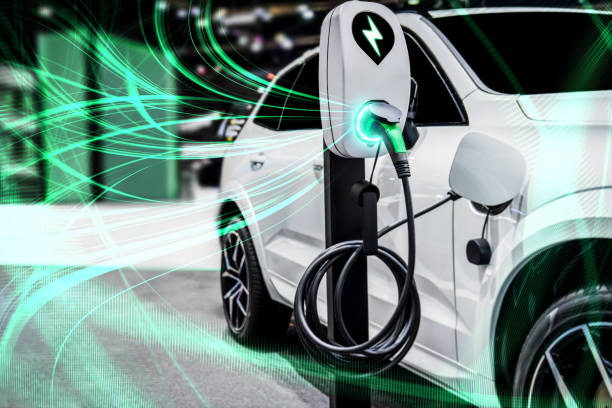
As the world is moving towards clean and smart mobility, electric cars are no longer a future idea. They have now become a part of everyday life. Big companies, the government, and consumers are all pushing this change. As per the International Energy Agency research, the global EV sales crossed over 14 million in 2023, which shows the strong growth in the international EV market. This sudden rise is directly shaping the electric vehicles' exports by country and global trade patterns.
Electric vehicles (EVs) exports refer to the global trade of electric cars and their components. These types of exports matter the most because they drive economic growth, innovation, and global sustainability goals. Countries such as Germany, China, and the United States are leading this sector. Meanwhile, emerging economies are entering the market with competitive manufacturing. These changes define the latest EV export trends for 2026 and beyond.
In this article, you will explore the top EV exporting countries, key markets, and future opportunities. With EV trade statistics, global demand, and industry challenges, you will learn which companies are leading exports and what trends will further shape the upcoming years of electric mobility.
The exports of electric vehicles refer to the shipment of EVs and related components from one country to another. These include essential parts as well as fully assembled vehicles. This rising demand in electric vehicle exports by country shows how global demand is increasing rapidly. As per Statista, EV exports are expected to grow steadily as international demand expands.
In exports, there are different types of EVs involved. Battery Electric Vehicles (BEVs) run only on electricity, while Plug-in Hybrid Electric Vehicles (PHEVs) use both fuel and electric power. Both types are important in global trade. In addition to the vehicles, key parts such as lithium-ion batteries, charging systems, and power electronics are also exported. These parts are important for the overall EV ecosystem.
As the EV exports are important for global supply chains. They connect suppliers, manufacturers, and markets worldwide. Countries depend on each other for technology, raw materials, and finished vehicles. This interconnected system supports innovation and reduces production costs. This also improves the analysis of the global EV market and supports long-term growth in the industry.
The following are the top electric vehicle exports by country in 2026:
China is the world’s largest EV exporter. It dominates global supply with a strong manufacturing base. In 2023, China accounted for over 60% of global EV production, according to the IEA. BYD, SAIC, and NIO are growing quickly and now export vehicles to Europe, Asia, and Latin America. Government support, including subsidies, tax breaks, and investment in infrastructure, has helped increase production. China is also a leader in battery manufacturing, which makes its exports even stronger. As a result, the country is a major force in EV export trends for 2025 and in global supply chains.
In EV exports, Germany is a major player. Germany is home to well-known brands such as Volkswagen, BMW, and Mercedes-Benz. These companies focus on making high-quality, premium electric vehicles. Most of Germany’s exports go to other European countries and the United States. Supportive EU policies, like the European Green Deal, help drive EV adoption and production. Because of its strong engineering and innovation, Germany stays competitive and remains one of the world’s leading EV exporters.
In the EV industry, the United States is known for innovation. Tesla is a market leader in global exports, sending vehicles to Europe, China, and other parts of the world. The U.S. Department of Energy reports that more people are choosing electric vehicles because of supportive policies.
The Inflation Reduction Act (IRA) has helped increase both local production and exports. Trade partnerships have also made it easier to reach new markets. The U.S. puts a strong emphasis on advanced technology and software in its vehicles, which helps maintain its strong position in the global electric vehicle market.
Japan and South Korea both have strong EV technology. Japan stands out in hybrid vehicles, especially with brands like Nissan and Toyota. These companies export to many countries in Asia and Europe. Hybrid technology continues to be a major advantage for Japan.
South Korea is expanding quickly with brands like Hyundai and Kia, which are becoming more popular around the world. The country is also a leader in battery production because of companies like LG Energy Solution. This helps South Korea stay ahead in EV supply chains and trade.
Emerging markets are playing a bigger role in EV exports. India is putting money into local manufacturing and exports. Vietnam, led by VinFast, is moving quickly into global markets. Mexico is taking advantage of its location and trade deals with the U.S.
These countries have lower production costs and bring new opportunities. They are helping make global supply chains more diverse. As they grow, they will influence which countries lead in electric vehicle exports and shape global competition.
The following are the major EV export markets in 2026:
Europe is the biggest EV import market. Demand is rising due to strict environmental rules. The EU Green Deal aims to reduce carbon emissions significantly. This pushes EV adoption across countries like Germany, France, and Norway. Strong consumer awareness and government incentives are driving growth. Most of Europe’s EV imports come from China and the U.S. Europe continues to play a key role in the global EV market.
North America is a strong EV market. The U.S. and Canada are seeing rising demand. Government incentives and tax credits encourage EV purchases. Trade agreements like USMCA also impact EV imports and exports. The region is focusing on local production. Still, imports play a key role in meeting demand. This shapes ongoing EV export trends in 2026.
Asia-Pacific is growing fast in the EV trade. China leads the regional market. Countries like India and Southeast Asian nations are increasing imports. Regional trade agreements support growth. Infrastructure is improving steadily. This region is key to future EV trade statistics and expansion.
The Middle East and Africa are emerging EV markets. Countries like the UAE and Saudi Arabia are investing in EV infrastructure. Governments are promoting clean energy and sustainability. However, challenges remain. The charging infrastructure is limited. Still, growth potential is strong. These regions are becoming important in electric vehicle exports by country.
Consumers are shifting toward eco-friendly options. Climate policies are driving EV adoption worldwide. Governments are setting strict emission targets. This is boosting EV demand across all regions.
Battery technology is improving quickly. Lithium-ion batteries are becoming cheaper and more efficient. Solid-state batteries are the next big innovation. According to BloombergNEF, battery costs have dropped nearly 90% in the last decade.
Countries are reducing dependence on single suppliers. Many are building local EV manufacturing hubs. This improves resilience and reduces risks. It also supports regional growth in EV production.
Policies play a huge role in EV growth. Subsidies, tax credits, and export incentives support the industry. Governments are investing heavily in infrastructure and innovation.
EV prices are slowly going down as mass production and improved technology help cut costs. More affordable models are now available, making electric vehicles accessible to a wider range of people around the world.
EV exports face several challenges. Supply chain disruptions can slow production. Shortages of raw materials like lithium and cobalt affect battery manufacturing. These materials are essential for EV production. Trade barriers and tariffs also create difficulties. Different countries have different regulations. This makes global trade more complex. Companies must adapt to changing policies and standards.
Another issue is the charging infrastructure. Many regions still lack proper facilities. Regulatory differences across countries add more complexity. These challenges impact overall EV export trends in 2026 and future growth.
The future of EV exports looks strong and promising. Global demand is expected to grow rapidly. According to the IEA, EV sales could reach over 30 million units by 2030. This will significantly boost electric vehicle exports by country worldwide.
Emerging markets will play a bigger role. Countries such as India and Vietnam will expand production. New trade routes and partnerships will shape global supply chains. This will create more competition and innovation.
Technology is set to change the industry. AI and automation are expected to make production more efficient. Companies will also focus more on sustainable manufacturing. These trends will shape the future of the global EV market and its long-term growth.
Electric vehicle exports are changing the global economy. China, Germany, and the U.S. are leading, but other countries are starting to catch up. Demand is rising in Europe, North America, and beyond. Better batteries, helpful policies, and lower prices are driving this trend. There are still some challenges, but the future looks promising. EV trade will likely keep growing and support countries in meeting their sustainability goals.
Which country exports the most electric vehicles?
China exports the most electric vehicles because it has strong manufacturing capabilities and support from its government.
What are the fastest-growing EV markets?
Europe, North America, and the Asia-Pacific are seeing fast growth in electric vehicle markets because of high demand and supportive policies.
Why are EV exports increasing globally?
Global exports of electric vehicles are increasing because of higher demand, climate goals, and improvements in technology.

Industrial valves are small mechanical devices that play ...
Read More
The international trade of cotton is essential for the ra...
Read More
As one of the leading exporting nations in the world, Fra...
Read More