

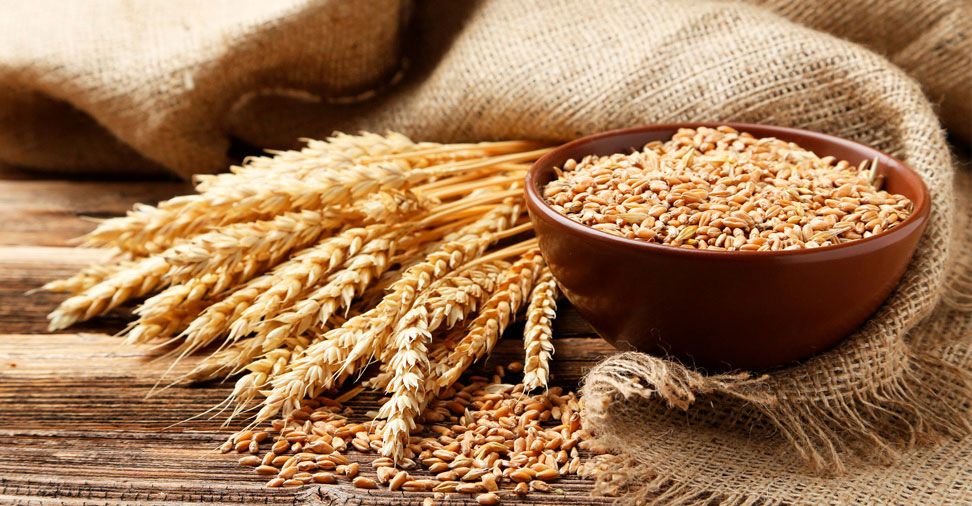
Wheat is one of the most widely consumed grains worldwide. It is widely consumed globally to provide the body with the necessary nourishment daily. From seed to loaf, it takes a long, comprehensive process to make it available in retail shops for common people to buy. Whereas some nations are abundantly growing and cultivating wheat each year, the rest of the nations across the globe meet their needs by importing wheat.
Wheat is traded globally in large volumes from one country to another. In 2024, the global wheat market size stood at USD 202.05 billion, up from USD 210.74 billion in 2025, and is projected to reach approximately USD 307.82 billion by 2034, expanding at a CAGR of 4.3% over the forecast period from 2025 to 2034. The growing shift towards improved agricultural productivity and significant efforts to promote sustainable agricultural practices make wheat crop production of utmost importance.
One of the basic reasons businesses like wholesalers, buyers, traders, and importers should know the major wheat exporters is to analyze the market and identify growth opportunities. This blog will directly help them in making wise decisions when it comes to investing in the wheat industry and trade. Each country has different opportunities and risks, including trends, pricing strategies, and logistics for supplying wheat to its specific regions.
Wheat is cultivated in certain climates, which is why regions such as Africa, the Middle East, and Southeast Asia import the most wheat. The major reasons for the excessive demand for wheat in these regions are population growth, the growing number of food processing industries, and flour mills meeting the demand for food.
It is considered a staple food in households worldwide. Not only for humans, but the byproduct is also used as animal feed, making it one of the most eaten grains.
The following are countries that export the most wheat:
Russia is currently the biggest wheat exporter and dominates the global market with competitive pricing and massive production volumes. Russia's Agriculture Ministry has confirmed its forecast that grain exports will total 50 million tonnes in the current crop year, which runs from July 2025 to June 2026. Its key strengths lie in the country’s vast agricultural land, favorable climate in major growing regions, and low production costs, which keep Russian wheat affordable for importers worldwide. Russia mainly supplies wheat to the Middle East, Africa, and Asia. However, the latest challenges include geopolitical tensions, export restrictions, currency fluctuations, and logistics issues due to sanctions. Despite this, demand for Russian wheat continues to grow because buyers prefer its price advantage and consistent supply availability.
The European Union is one of the top global wheat exporters, supported by advanced farming practices, high-quality grains, and strong supply reliability. Countries like France, Germany, and Romania contribute significantly to EU wheat exports. Commodity Insights has forecast EU wheat exports at 33.5 million mt, up from 26.3 million mt in 2024-25. EU wheat is known for its consistent quality, strict agricultural standards, and stable production levels. The region supplies large volumes to North Africa and the Middle East. Recent challenges include unpredictable weather due to climate change, stricter environmental regulations, and rising production costs. Still, the EU remains a trusted and highly reliable wheat supplier, with continued demand for its premium milling wheat.
US wheat exports totaled 826 million bushels in 2024/25. The United States is a major wheat exporter known for its high-quality varieties, including hard red winter, hard red spring, and soft white wheat. US wheat benefits from advanced technology, strong research systems, and dependable supply chains. Buyers prefer US wheat for its excellent protein content, consistent quality, and year-round availability. The latest trends show increasing competition from Russia and Australia, along with higher farming costs and changing weather patterns. Despite these challenges, the US continues to serve Asia, Latin America, and Africa with reliable exports and premium-grade wheat that meets strict global food industry standards.
Canada is projected to be the third-largest wheat exporter, with exports of 27.0 MMT. Canada is known for producing some of the highest-quality wheat in the world, especially high-protein spring wheat. Its strengths include advanced farming systems, clean growing environments, and reliable supply chains. Canadian wheat is widely used for bread and bakery applications due to its superior milling performance. Major export destinations include Asia, the Middle East, and Latin America. Canada’s main challenges include extreme weather, droughts, and competition from lower-priced wheat suppliers. Trends indicate rising demand for premium, high-protein wheat, keeping Canada strongly positioned in global markets despite fluctuations in overall production.
Australia exported roughly 23.5 million tonnes of wheat during the October–September marketing season in 2024–2025. Australia is a leading wheat exporter with a strong reputation for consistent grain quality and competitive pricing. Its climate, particularly in Western and South Australia, supports efficient wheat production with minimal disease pressure. Australia exports mainly to Asia and the Middle East due to geographic proximity and shorter shipping routes. Recent trends highlight increased production driven by favorable rainfall and improved farming techniques. However, challenges such as drought cycles, climate variability, and stiff competition from Black Sea countries remain. Still, Australia’s reliable supply and high-quality wheat keep it in strong demand globally.
Exports of Ukrainian wheat exceeded 7 million tons in the 2025/26 season. Ukraine is one of the key players in the global wheat export market, known for cost-effective production, fertile soil, and large export volumes aimed at Africa, Europe, and Asia. Its strengths include competitive prices, high-quality grains, and strategic access to Black Sea ports. However, the ongoing geopolitical conflict continues to impact logistics, export routes, and overall production stability. Despite this, Ukraine’s wheat remains in demand, and new export corridors are being developed to stabilize trade. Buyers still prefer Ukrainian wheat for its affordability and dependable quality when supply conditions are normal.
Argentina's exports of grains and their byproducts could hit a record 105.1 million metric tons in the 2025/26 season. Argentina is a significant wheat exporter in South America, supplying markets in Brazil, Africa, and Asia. Its strengths include fertile land, moderate production costs, and relatively stable wheat quality. Argentina’s climate supports strong wheat yields, and the country continues to expand its export capacity. Recent challenges include currency instability, economic policies, and fluctuating production due to changing rainfall patterns. Still, Argentina benefits from increasing global interest as buyers diversify away from traditional suppliers. Demand for Argentine wheat remains steady because of its balanced mix of quality, competitive pricing, and improving supply reliability.
Wheat exports accounted for 20.3 million tons from 12.2 million hectares — half a million tons more than in 2024. Kazakhstan is an important wheat exporter in Central Asia, known for producing high-protein hard wheat varieties favored by millers. Its key strengths include low production costs, strong grain quality, and strategic geographic access to Central Asia, China, and Middle Eastern markets. Kazakhstan’s wheat is especially valued for baking and flour milling applications. Recent challenges include logistical limitations, aging infrastructure, and weather-related production drops. Trends show the country focusing on modernizing its grain transportation routes and improving storage facilities. Despite these issues, Kazakhstan remains a reliable supplier of high-quality wheat to regional markets.
In terms of exports, India exported $2.32 billion in wheat. India has been exporting wheat to nations in Africa, the Middle East, and South Asia for decades. India is a major wheat producer with growing relevance in global exports, especially during years of surplus production. Its strengths include vast agricultural land, affordable labor, and the ability to supply wheat at competitive prices. Indian wheat is widely used by mills and food industries in Asia, Africa, and the Middle East. However, exports fluctuate due to domestic consumption needs, government policies, and sudden export bans during low-yield years. Climate challenges, such as heatwaves and irregular rainfall, also affect output. Despite these issues, India remains an important supplier amid global shortages due to its large production capacity and flexible pricing.
As time passes, technological advancements in wheat cultivation have made it faster, more efficient, and more consistent. With a growing population, we are on the verge of harsher climate conditions that could significantly impact wheat production, supply, and trade. Global wheat production is approaching 800 million tonnes, as changes in trade policies, global wars, and other factors determine wheat prices at the surface level.
As a new investor in the wheat industry, finding the latest technological advancements, recent price changes, tariff differences, buyers’ insights, and other market trends, you can use TradeYao as a source of premium, real-time information about the wheat market.
In this blog, we have discussed the top exporters of wheat, along with their key strengths, opportunities, and target regions. We can conclude this blog by stating that it is highly crucial to understand the wheat exports by country and its market demand, which is highly dependent on the export region. Each region has its own business opportunities and risks, which can be addressed with various business strategies. Investing in the wheat trading market is crucial, as it is one of the most traded commodities worldwide. To gain full access to business information and insights, platforms like TradeYao can provide real-time data before decisions are made.
Soybeans are one of the most traded agricultural products in the world. They go into animal feed, cooking o
READ FULLCopper is often called “Dr. Copper” because it acts like an economic indicator. When the global
READ FULLSolar panels have become one of the most important parts of clean energy today. Many countries are now producing an
READ FULL