
Steel is one of the most used materials in the world. It is used in a lot of thing like buildings, roads, cars, machines, and energy systems. Because of this, the global steel trade is very important for businesses and economies.
The global steel trade has grown quite steadily over the years. This may be due to the increasing population and demands for construction, infrastructure, and manufacturing. Asia is dominating, and new markets are emerging. Which is why the steel has become one of the most traded items in the world.
This blog will provide insight on the key exporters of steel, the trade flow, and the growth regions. If you are a trader, importer, exporter, or manufacturer, you must understand how the steel market is continuously evolving and how it is being traded worldwide. This can help you find better opportunities, reduce the costs, and grow faster.
Steel is linked with economic growth, because the big construction and infrastructure projects use a higher volume of steel. There are many countries that depend on imported steel for cars, machinery, pipelines, and energy projects.
In recent years, the international steel trade has reached around 449 million metric tons, which is equal to roughly a quarter of all the steel produced. These steel crossed at least one border before their final use.
Due to inflation in many countries, there are some changes in the steep prices as well. This may impact the trade flow and affect the jobs, industrial output, and even national security.
According to the data from the World Steel Association, the global exports of steel, both rolled and semi-finished, increased by more than 3% in 2025, which, compared to previous years, showed a recovery in demand after earlier slowdowns.
This growth is supported by the extensive infrastructure projects and the steel usage in economies, and ongoing demand from the construction, engineering, and mechanical industries.
The world steel trade is led by a small group of powerful exporting countries. These countries do not just produce steel; they control the supply chains, influence the prices, and shape the global demands as well. If you want to understand the steel trade value in global markets, these importers must be studied in detail.
China is the backbone of the trading industry, especially for the trading of steel. It produces more steel than the rest of the world combined. Their export strategy affects the prices everywhere.
This country produces almost every type of steel, including:
Low-cost construction steel
Flat steel (Coils and Sheets)
Pipes and industrial steel
Their success can be based on scale and cost both. With their population being one of the highest and still rising, there are massive factories everywhere that produce steel in bulk.
Despite being one of the highest economies, their labor is still lower, and the production costs are not much higher. There’s a strong government support as well, which essentially denotes how well-developed logistics and ports.
Japan is a leading country as well in terms of infrastructure and construction. It focuses on quality rather than quantity. It is one of the most trusted names in the world of steel trade.
According to the reports, it exports about 30 million tons of steel per year. They mostly specialize in the production of:
Automotive steel
High-strength steel
Precision steel products
This country stands out for its efficient workforce and strong economy. They invest heavily in the development of technology and innovation. They have advanced manufacturing processes that follow strict quality control and standard regulations. They have a strong research and development department as well, which keeps them up to date with the new innovations. Their steel is often used in different aspects such as cars, electronics, and heavy machinery.
South Korea is one of the most stable and trusted players in the steel industry as well, known for both quality and efficiency. They may not export as much as China; however, it plays a strong role in global trade, with consistency, quality, and strong industrial support.
According to the reports, they export around 28 million tons per year. Their focus is on the long-term industrial supply rather than short-term bulk selling. This makes it a preferred choice for many global buyers. They mostly invest in;
Shipbuilding steel
Automotive steel
Electronics steel
High-strength steel
These products are essentially refined and used in industries that require precision and durability.
This country also has more flexibility in pricing. It basically sits between China and Japan, with them being more expensive than China and cheaper than Japan.
The European Union is a unique player in this industry. They are essentially known as both large exporters and one of the biggest importers of steel. According to the reports, they export around 25 to 30 million tons per year, while their import stats go more than 40 million tons per year.
This shows that this region is deeply connected to the global sleet flows. They mostly focus on quality, safety, and sustainability. The steel produced by them is commonly used in:
Aerospace
Automottive
Heavy Machinery
It follows a strict standard for the import and export of steel, which means that they have stronger material for production, with better durability and high reliability. This contributes to the strong infrastructure of this country.
Turkey has become a very important country in the global trading industry for steel, especially for thier construction-related steel products. Over the last few years, this country has increased its exports and built a strong position in the nearby markets.
According to the reports, they export around 15 to 17 million tons per year, and this number only continues to grow steadily. They mainly deal with;
Long Stee, which includes bars and rods.
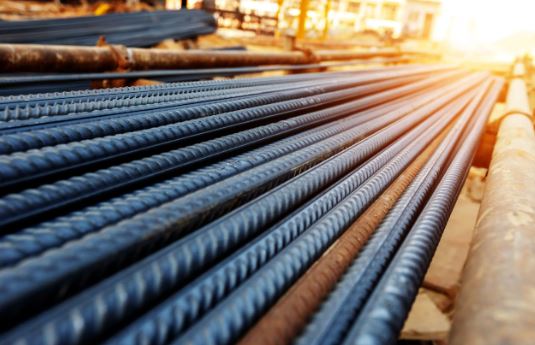
Rebars for construction
Structural Steel
One of the main reasons behind the success of this country is its geographical location. They sit between major exporting regions, including Europe, Asia, and the Middle East. Because of this, it can easily supply the steel to many regions, without their long shipping terms.
There are many regions where the demand for steel is growing rapidly. These countries are very important for the global trade of steel, as they help in creating new opportunities for exporters and suppliers. As the developed markets become more stable, more future growth is expected from these regions.
Southeast Asia is one of the fastest-growing regions in the world. The countries in this region, including India, Vietnam, Indonesia, and Thailand, are seeing quicker economic growth, essentially leading to the increasing demand for steel.
One of the biggest reasons for this growth is urbanization. Millions of people are moving from rural areas to cities. Because of this, the government and private sectors are all investing in new infrastructures, building, housing projects, roads, bridges, and public transport systems. All of these require large amounts of steel.
The Middle East is another key region in global trading. Mainly driven by large-scale and high-value projects. Many countries in this region, such as Saudi Arabia and the United Arab Emirates, are investing heavily in development projects. These include the commercial building, oil and gas infrastructure, and renewable energy projects.
A major reason behind this growth is economic diversification. Many Middle Eastern countries are trying to reduce their dependence on oil these days. This can happen through investing in construction, tourism, and technology. This shift is essentially increasing the demand for steel as well, in many different sectors.
Africa is still a developing market in the world of steel trade. However, they have a very strong future potential in this industry. Although the current steel demand is still lower compared to other regions, the growth of this region is expected to increase quite a lot in the upcoming years.
One of the biggest reasons for this growth may be the population growth. Africa has one of the fastest-growing populations in the world. As the population increases, the need for housing, transportation, and public services is also increasing. This may indirectly raise the demand for steel as well.
Latin America plays a balanced role in this industry. The countries in this region are both exporters and importers, such as Brazil and Mexico. Brazil itself is a country rich in its natural resources, like iron ore, which helps it produce steel locally. It exports the steel to nearby countries and sometimes to global markets.
Mexico, on the other hand, has rather strong industrial links with North America, especially the United States, which affects its steel trade patterns. This region is quite unlike others, including Southeast Asia or Africa. They have a more balanced market. Some countries in this region produce enough steel for their own usage. While the others rely on imports.
In today’s fast-changing world, having the right data is very important. Tradeyao is a trade data platform that can help companies make smarter and more profitable decisions by giving them clear and updated import-export information.
This platform is especially helpful for those businesses that are working in the steel trade or planning to invest in the field. Through this platform, they can get an idea of how the prices, demands, and supplies are changing quickly.
It can help make things much clearer and less risky. It includes features that help the users understand the market, find the right partners, and grow faster in this competitive world.
The steel trading industry is quite large and important to note. There are many countries already thriving in the markets, like China, which is currently in the lead. Japan and South Korea follow closely with thier increasing focus on innovations and advanced infrastructure. While Turkey and India play bigger roles in the production of steel.
At the same time, new markets are emerging and growing fast. Southeast Asia can be considered at the top for their diverse infrastructures. The Middle East, Africa, and Latin America are creating new demands for steel.
There may come some challenges like price changes and trade barriers; however, the steel trade will continue to grow steadily. For businesses planning to invest in this field, this blog provides a deep insight into the top exporting countries of steel and the emerging markets that they can focus on for profitable opportunities.
Soybeans are one of the most traded agricultural products in the world. They go into animal feed, cooking o
READ FULLCopper is often called “Dr. Copper” because it acts like an economic indicator. When the global
READ FULLSolar panels have become one of the most important parts of clean energy today. Many countries are now producing an
READ FULL