

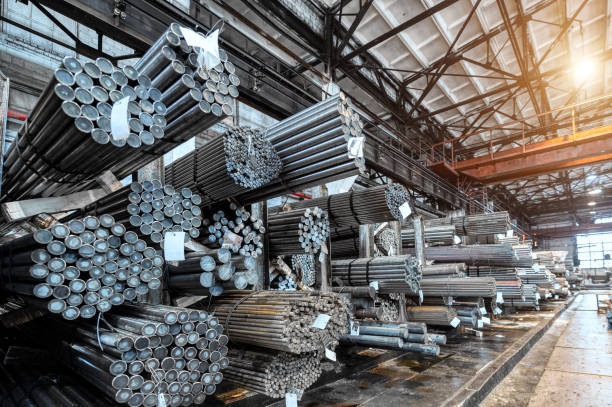
Steel is one of the most used engineering materials in the world. From skyscrapers, cars, and ships to surgical tools, it is widely used in every industry. Steelmaking is an ancient craft, but mass production took off in the 1850s when Henry Bessemer invented his converter. This made steel affordable and helped drive the Industrial Revolution. As steel is a crucial component in every construction, transportation, and medical project, the US steel imports data matters a lot. This data helps businesses to plan, which helps the government to make trade rules and build an effective supply chain system. When imports change, prices, jobs, and production methods are affected across the country.
The U.S. is one of the world’s largest steel importers. In recent years, the United States imports around 25-28 million metric tons of steel annually, especially from countries like Mexico, Canada, Brazil, and South Korea. Trade policies such as Section 232 steel tariffs, the USMCA, and WTO rules have changed where the US sources its steel. This article breaks down US steel import data by country, shares the latest statistics, and explains how US steel tariffs impact the economy in clear, simple terms.
The United States consumes more steel than it produces. The country requires huge quantities of imports to meet needs for construction, automotive, and infrastructure. These imports are carefully tracked under HS codes, mainly chapters 72 and 73, which cover raw steel, semi-finished steel, and finished steel products. This is the official US steel import definition used by trade agencies.
The US imports several types of steel. Semi-finished steel, like slabs and billets, is processed further by US mills. Finished steel includes sheets, plates, pipes, and beams that go directly into construction and manufacturing. Specialty steel is important for defense, energy, and high-tech industries. These imports help keep factories operating when domestic steel is in short supply.
The most recent steel import statistics for the US (2024–2025) show steady demand. In 2024, the US imported about 26.2 million metric tons of steel, valued at over $40 billion. This was slightly higher than 2023, showing stable growth after pandemic disruptions. Finished steel made up around 75% of total imports, while semi-finished steel filled gaps in US mill capacity.
Imports increased by about 2 to 3 percent compared to last year, mostly because of higher demand from construction and infrastructure projects. Government data also shows that import levels remain below the pre-2018 peak, when imports went over 34 million metric tons before tariffs took effect. This highlights how policy changes can directly influence steel trade flows.
Here is an overview of US steel imports by country, based on recent figures:
Canada – 6.0 million metric tons (about 23%)
Mexico – 4.0 million metric tons (15%)
Brazil – 3.5 million metric tons (13%)
South Korea – 2.6 million metric tons (10%)
Japan
Germany
Turkey
Vietnam
Taiwan
Italy
Source: https://dataweb.usitc.gov/
Canada is still the top supplier because of its proximity and similar industries. Mexico’s share has grown due to the USMCA's advantages. Brazil and South Korea mainly export semi-finished and flat steel. Turkey and some others have seen drops due to tariffs and quotas.
Canada and Mexico export steel to the US because of their geographic proximity. As these two countries are close, shipping costs are low. The UK, Japan, and South Korea supply steel for the US aerospace/defense sector. Brazil and similar countries have plenty of iron ore, which gives them an advantage when making semi-finished steel for the U.S. market.
The huge U.S market offers significant revenue opportunities that attract global steel producers. The Trump administration introduced 25% tariffs on steel imports to protect national security and support the domestic industry. The impact of steel tariffs on the US economy affected countries like China the most, while some allies received exemptions.
A major trend in US steel imports is the move away from China. High tariffs and anti-dumping duties have reduced direct steel imports from China to less than 2% of the total. Early data for 2025 shows one of the largest annual declines in recent years. By August 2025, total steel imports dropped 27.7% compared to the previous year and 22.0% from the previous month. Finished steel imports, which used to make up 23% of the US market, fell to 16% by late 2025.
The US buys more from allies such as Mexico, Canada, and South Korea. The key trend is higher demand for advanced and high-grade steel, which is used in renewable energy, EVs, and modern buildings. The pandemic changed the steel supply chain in the US. Shipping delays and high freight costs pushed buyers to choose nearby suppliers. Post-pandemic recovery and infrastructure spending increased demand again. In 2025, construction and EV growth are shaping steel industry trends, with more focus on reliable supply and quality rather than just low prices.
In 2018, Section 232 steel affairs were started. They placed a 25% tariff on most steel imports, citing national security. After this, total steel imports increased by more than 20% in two years. Some countries later received exemptions or quotas, which further changed the mix of suppliers instead of stopping imports completely.
Trade agreements are important as well. Thanks to the USMCA, Canada and Mexico can now send steel to the US with fewer restrictions, which has increased their share of the market. At the same time, some countries have challenged US tariffs at the WTO, while others have answered by putting tariffs on US goods. These actions have changed the way steel moves around the world.
Other measures, such as anti-dumping duties, countervailing duties, and quotas, help prevent unfair pricing. These steps protect US steel mills, but they also make it more expensive for manufacturers. Research shows that industries using steel pay billions more each year, which can lead to higher prices for cars, homes, and appliances.
Imports of steel help in balancing supply and demand. Domestic mills benefit from protection, as they cannot always meet total demand. Industries such as construction, automotive, and shipbuilding rely heavily on imports to keep production moving. The impact of steel imports on the US economy is mixed but important.
Higher steel prices can protect jobs in mills but can hurt jobs in steel-using sectors, which employ far more people. In 2025, more than 6 million people work in industries that use steel, while about 140,000 are employed in steel production. This difference plays a key role in discussions about the US steel industry.
US steel imports are expected to remain stable in the coming years. From 2026 to 2030, imports may stay between 25 and 30 million metric tons each year. This shows steady demand, not fast growth. Infrastructure projects continue across the country. Renewable energy and electric vehicle production are also increasing. These sectors need specific types of steel. Some of these products are not made locally, so imports remain important.
At the same time, US steelmakers are upgrading their production. Many are investing in electric arc furnaces and low-carbon steel. This may reduce the need for certain imported products over time.
Trade policy will strongly affect steel imports. Any changes to Section 232 tariffs can shift import volumes. New trade agreements or global supply changes may also influence sourcing. The US currently favors steel from trusted partners. Canada, Mexico, and parts of Europe remain key suppliers. This helps protect the supply chain and limits trade risks. Overall, US steel imports show steady demand, strict oversight, and a gradual move toward reliable trade partners.
US steel imports are important for the economy. The US relies on partners like Canada, Mexico, and Brazil to meet its steel needs. Tariffs, trade rules, and global trends affect where steel is sourced and its price. Knowing how US steel imports work helps businesses, workers, and policymakers make informed decisions. This blog provides detailed US steel import data to help businesses stay updated with the latest US steel data and trends.
Which country exports the most steel to the United States?
The largest exporter of steel to the US is Canada, the country that supplies about one-fourth of the total U.S. steel imports.
How do tariffs affect US steel imports?
Tariffs make steel more expensive and reduce imports from some countries, but they also cause the US to buy more from other suppliers.
Is the US importing more steel now than before?
The US imports less steel now than it did before 2018, but the amount has stayed about the same in recent years.
Can domestic production meet US demand?
No, domestic production cannot fully meet US demand. The country still needs to import steel for construction, cars, and energy projects.
Soybeans are one of the most traded agricultural products in the world. They go into animal feed, cooking o
READ FULLCopper is often called “Dr. Copper” because it acts like an economic indicator. When the global
READ FULLSolar panels have become one of the most important parts of clean energy today. Many countries are now producing an
READ FULL