
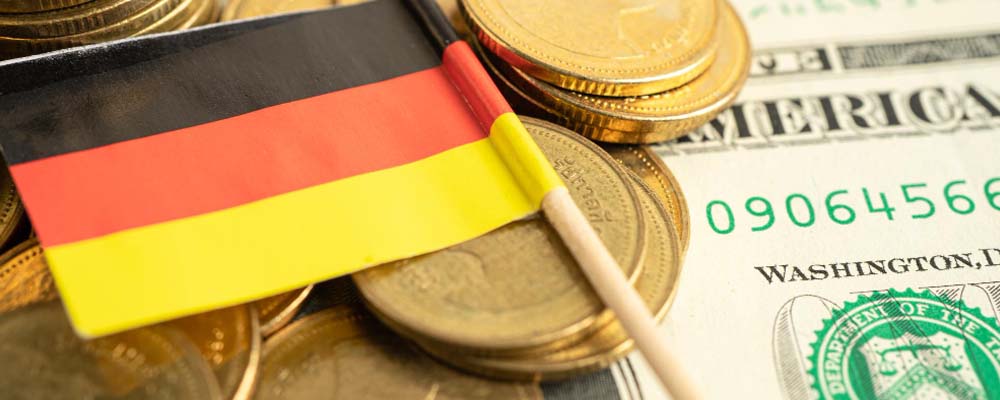
For exports, Germany is at the top of the list. Why, because Germany's export economy is the most powerful around the world, and selling goods to other countries makes up a huge part of its wealth. However, selling goods and buying from others account for around 83% of Germany's economic output, which shows how important exports are to the country's success.
Europe is one of the largest economies and one of the biggest in the world; the products of Germany are found everywhere, from machines to cars. Germany trades with partners across the EU, the United States, China, and other emerging markets. These connections are important for both Germany and the wider global economy.
In this article, we will discover Germany’s top exports, major German trade partners, the key balance between imports and exports, important trends that are shaping the future, and what challenges and opportunities are ongoing in the market.
Exports are the most important part of Germany’s economy. The country strongly follows an export-driven industrial model that focuses on building and selling high-quality goods around the world. German factories manufacture machines, cars, chemicals, and electronics. Their products are popular for precision, durability, and technology. These goods are sold in diverse markets across Europe, Asia, North America, and beyond, which keep factories busy and millions employed.
Germany’s economy depends heavily on trade because of its export focus. The value of exports makes up a significant share of the country’s GDP, meaning that changes in global demand can directly impact German economic growth. Companies such as Volkswagen, BMW, Siemens, BASF, and Bayer are leaders in their industries and help maintain Germany’s position as a top exporter.
In global trade rankings, Germany is on the top. It is among the world’s largest exporting nations because of advanced technology, strong manufacturing, and wide-spanning trade relationships. Germany competes with big countries like China and the United States, and its trade connections help shape the flow of industrial goods around the world.
Automobiles and automotive parts are Germany's largest export category. BMW, Volkswagen, and Mercedes-Benz are the most popular brands that are sold in markets worldwide. These products include passenger cars, commercial vehicles, and parts that go into other vehicles. Cars and related components make up a high share of the country’s export value, reflecting Germany’s deep expertise in automotive engineering and global demand for German vehicles.
In North America and Europe, German car exports are quite strong, where demand for high-quality vehicles remains steady. The automotive industry not only contributes to export figures but also supports many jobs and technologies in Germany’s domestic economy.
The other export powerhouse is the machinery and industrial equipment sector. Germany makes machine tools, industrial robots, heavy equipment, and precision tools used in factories worldwide. This category shows Germany’s reputation for engineering leadership and innovation.
From automated production lines to construction machines, these products are essential in manufacturing, and they sell well internationally. German machinery exports highlight the country’s strength in building core tools used in industries across the globe.
The top chemical products that are Germany's top exports are industrial chemicals, plastics, and specialty compounds. Germany is home to major companies like BASF and Bayer, which produce both basic and advanced chemical goods. These products range from raw chemical inputs to consumer-ready plastics and specialty polymers. Chemicals also support other industries such as agriculture, automotive, and health care, making them a versatile and high-value export.
German electrical equipment and electronics, such as power equipment, telecommunications devices, and automation systems. This sector is popular in today’s tech-driven world, as factories and utilities need advanced electrical tools to run efficiently.
Electronics exports show that Germany not only builds heavy industrial tools but also systems used in modern technology and infrastructure. These products help German businesses to stay ahead in global markets.
For Germany, pharmaceuticals and medical devices are important modern exports. The country produces vaccines, medicines, and medical tools such as imaging systems and surgical instruments. Demand for German medical products has grown, especially with global health concerns focusing attention on healthcare technology.
This export category has seen rapid growth, as countries worldwide invest in health systems that use German-made medical equipment.
Aircraft and aerospace components: German-made aircraft and aerospace parts are used by companies all over the world.
Optical and precision instruments: Germany also exports high-precision optical and measuring tools used in science and research.
Food and beverages: Food and drinks, such as beer, specialty items, and processed foods, are another important part of Germany’s exports.
These products help make Germany’s exports more diverse and show that the country’s trade success goes beyond just heavy industry.
Germany’s main partners in the European Union are France, the Netherlands, Italy, and Poland. More than half of Germany’s exports go to other EU countries, making the EU its largest trading partner. France buys a lot of German goods, especially machinery and cars. Germany and France also work closely together in industry, sharing production and supply networks.
The Netherlands is also a major customer and an important route for goods heading to other markets. Italy and Poland mainly import machinery and industrial products, which helps build strong supply chains in central Europe.
The EU’s common market rules, such as lower border tariffs and shared standards, make trade easier and more efficient. These advantages keep Germany closely linked to its European neighbors, and much of its exports rely on this cooperation.
The United States is Germany’s biggest trading partner outside the EU and a key market for German exports. Top German products sent to the U.S. are cars, machinery, chemicals, and industrial tools.
In recent years, the U.S. has sometimes changed its trade policies by adding tariffs that impact German exports, especially in the car and steel industries. Even so, trade between the two countries stays strong, with steady demand for German products and ongoing partnerships in technology and industry.
China is a strategic trade partner with a mixed trade balance. Germany exports machinery, cars, and industrial tools to China, while importing many electronic goods and components.
Although China has been one of Germany’s biggest trade partners for many years, recent trends show changing dynamics with rising competition and shifts in global demand. Still, China remains important for Germany’s export economy due to its size and industrial market.
Since Brexit, trade with the United Kingdom has changed because of new border rules and higher export costs. Even with these challenges, the UK is still a key market for German cars, machinery, and chemicals.
Exports to the UK have continued, but new export rules have sometimes slowed growth. The strength of the Germany-UK trade bond continues through industry cooperation and cross-sector demand.
Growing markets such as India and Japan are becoming more influential. India’s expanding economy is importing more machinery and vehicles, while Japan’s markets for technology and industrial products stay strong. Interest in Middle East countries has grown, especially for machinery, energy equipment, and industrial tools. These regions represent future opportunities as German exporters diversify beyond traditional markets.
Germany runs a trade surplus, which means its exports are more than it imports. This surplus makes the economy stronger because selling more goods to other countries brings in international revenue.
Key imports are the energy products such as oil and gas, raw materials, and electrical machinery. Because Germany must import energy and certain components, global price changes, especially in energy, can affect the trade balance. The surplus also supports Germany’s strong currency and investment capacity abroad.
The major factors that are influencing Germany’s export success are as follows:
High-quality manufacturing that attracts buyers worldwide.
Skilled labor force with strong technical training.
Research & development (R&D) focusing on innovation.
Efficient logistics and infrastructure that support export movement.
The “Made in Germany” brand signals quality and reliability.
These strengths help German products compete globally and maintain a trusted reputation in key industries.
|
Challenge |
Impact |
|
High energy costs |
Raises production expenses for manufacturers. |
|
Supply chain disruptions |
Delays shipments and increases operational risk. |
|
Global competition |
Competitors like China and Japan push pricing and innovation. |
|
Trade regulations/tariffs |
Tariffs can reduce demand for German exports in key markets. |
The future of Germany's economy revolves around green technology, eco-friendly products, and digital manufacturing. The top exports, such as electrical vehicles (EVs), renewable energy equipment, and AI-powered industrial systems are growing rapidly. Such types of sectors reflect a shift toward smart production and clean energy.
As global demand increases, electric vehicle exports and renewable technologies are particularly promising. Germany’s strong engineering base positions make it a future-focused industry. For businesses looking to discover real-time export data and future trends that highlight Germany’s trade strength and influence, TradeYao is a platform to consider to understand Germany's export market opportunities, trends, and statistics. Businesses can easily track how export trends shift toward sustainability and digital transformation.
To sum up, Germany’s export economy is highly competitive and strong because of its high-quality products, innovation, and international trade partnerships. German exports are shaping its economic success and help in connecting Germany with major markets in the EU, the U.S., China, and beyond. As the global demand changes, new opportunities in digital industries and in green tech offer comprehensive pathways for future growth. For more current data, TradeYao helps readers explore current data on Germany’s main exports and top trade partners, giving insights into how Germany continues to influence global trade.
Industrial valves are small mechanical devices that play ...
Read More
The international trade of cotton is essential for the ra...
Read More
As one of the leading exporting nations in the world, Fra...
Read More